Why Classic Medical Dramas Still Hold Up Today
Medical dramas work because the stakes are built in — every episode has a life on the line. The best of the genre used that structure to say something bigger about the people doing the saving.
Table of Contents
House (2004–2012)
House turned the medical procedural into a character study, with Hugh Laurie's Dr. Gregory House solving diagnostic mysteries through sheer misanthropic brilliance. Across 8 seasons and 176 episodes, its case-of-the-week structure — loosely modeled on Sherlock Holmes — made it one of the most consistently rewatchable dramas of its decade.
Judging Amy (1999–2005)
Judging Amy isn't strictly medical, but it shares the genre's DNA — following a family court judge navigating cases that intersect with social work, medicine, and family drama. Across 6 seasons and 138 episodes, it built a loyal audience for its grounded, less procedural approach.
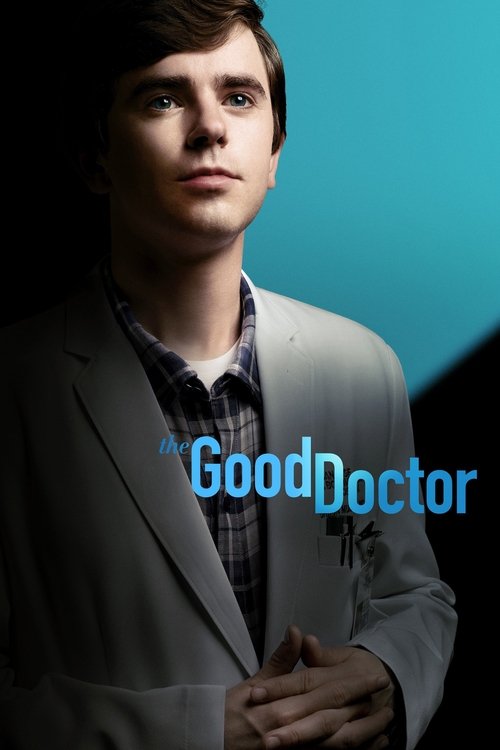
The Good Doctor (2017–2024)
The Good Doctor followed a young surgeon with autism and savant syndrome navigating both his skill and the skepticism of his colleagues. Across 7 seasons and 126 episodes, it modernized the genre's format for a new streaming-era audience while keeping the case-of-the-week backbone that made earlier medical dramas work.
Frequently Asked Questions
Do I need medical knowledge to enjoy these shows?
No — medical dramas are written for a general audience, using cases as a vehicle for character drama rather than technical accuracy.
Are these complete series available as digital downloads?
Yes — every series is sold as a complete collection, delivered as a digital download or shipped on a USB drive worldwide.
Browse more drama collections to keep the marathon going.